Skip to content
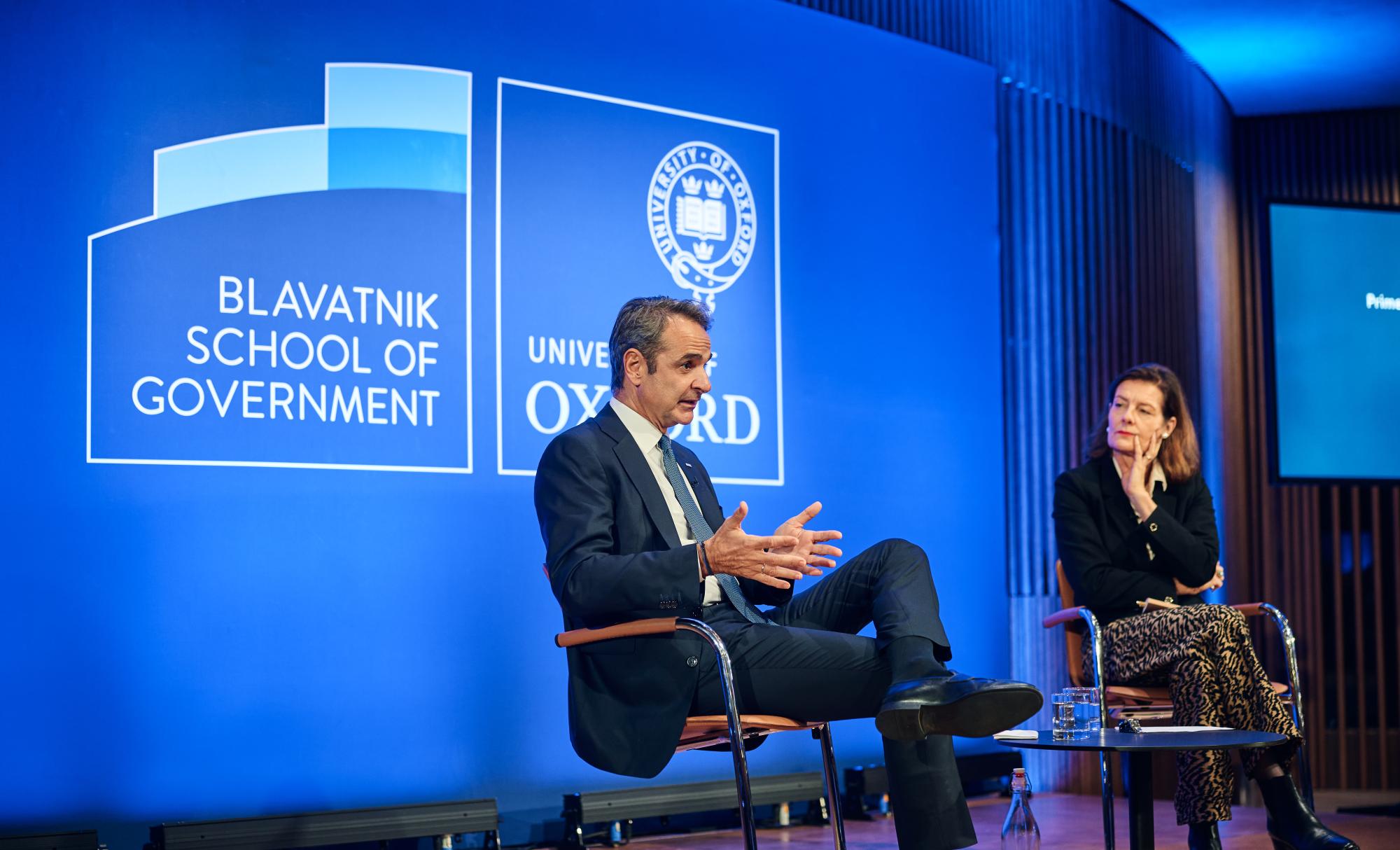
A new scholarship for Greek citizens to study at Oxford’s Blavatnik School of Government was announced today. The Blavatnik Scholarship for Greece will enable future public leaders from Greece to study the Master of Public Policy (MPP) course, a…
The Spiritual Yearnings of David Bowie

The Spectator reviews a wave of recent books published a decade after David Bowie’s death, examining how his work continues to be reinterpreted through religion, spirituality and cultural history. The article considers Bowie’s lifelong engagement with belief and meaning, alongside differing critical approaches to his later career. It also reflects on the lasting impact of the V&A’s exhibition David Bowie Is…, which helped reshape public and scholarly understanding of his legacy. In tracing Bowie’s posthumous afterlife, the piece highlights the David Bowie Archive, now open to the public at the V&A East Storehouse. Comprising more than 90,000 items, the Archive was established with major support from the Blavatnik Family Foundation and Warner Music Group. Together, the books, exhibition and archive point to Bowie’s continuing presence in the cultural imagination.

PFAS, Microplastics and What Comes Next for North Carolina’s Water

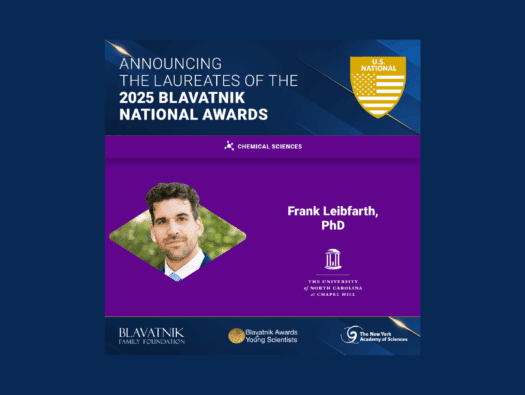
North Carolina is confronting complex water-quality challenges as regulators consider binding limits on per- and polyfluoroalkyl substances (PFAS) and scientists broaden their focus to include microplastics, which increasingly are found alongside PFAS in water and food. As the state’s Environmental Management Commission weighs new rules to reduce these persistent contaminants, researchers are advancing practical treatment solutions for existing systems. Among them is Frank Leibfarth, a 2025 Blavatnik Awards for Young Scientists National laureate whose work on advanced polymer materials and pilot-scale removal technologies aims to capture and destroy PFAS while informing sustainable plastic design—exemplifying the kind of innovation needed to protect public health and water resources in North Carolina.

Ken Burns: ‘I’m embarrassed that, as a country, we don’t grasp our history’

The Financial Times' Andrew Jack sits down with Ken Burns to talk about the filmmaker's six-part documentary series, The American Revolution, which revisits the nation’s founding with rigor, nuance, and a commitment to historical accuracy, challenging simplified narratives in favor of a more complex and inclusive account. Drawing on leading historians, the series explores divisions within colonial society, the experiences of Indigenous peoples and enslaved individuals, and the global significance of the revolution, underscoring Burns’s belief that “it’s complicated.” The Foundation is proud to have supported this documentary.

How Testosterone Fell Out of Favor in Medicine — and How It Came Back

Dr. Abraham Morgentaler, a Blavatnik Faculty Fellow in Health and Longevity at Harvard Medical School, has played a pivotal role in reshaping the contemporary understanding of testosterone therapy. Once shunned over fears it fueled prostate cancer, testosterone treatment has been rehabilitated through decades of Morgentaler’s clinical work and research, which demonstrated its safety and meaningful benefits for men with low testosterone. His pioneering efforts helped overturn long-held misconceptions, leading to broader acceptance of testosterone therapy for appropriate patients and a renewed focus on evidence-based care.

Learn More

Discover the cutting-edge science we fund

Providing many of the world's best researchers, scientists, and universities with support, and funding to discover breakthroughs that solve humankind's greatest challenges.

See how we support great cultural institutions around the world

The Foundation contributes to renowned institutions that showcase the breadth of arts and culture, including performance, exhibition and education.

Visit the Blavatnik Archive

The Blavatnik Archive is a nonprofit foundation dedicated to preserving and disseminating materials that contribute to the study of 20th-century Jewish and world history, with a special emphasis on World War I, World War II, and Soviet Russia.

Blavatnik Family Foundation
Privacy Overview

This website uses cookies so that we can provide you with the best user experience possible. Cookie information is stored in your browser and performs functions such as recognising you when you return to our website and helping our team to understand which sections of the website you find most interesting and useful.

You can find more information by this link