Skip to content

Arts & Culture

‘Like All of New York Was There’: 40 Years of SummerStage

City Parks Foundation’s SummerStage celebrates its 40th anniversary this season, marking four decades of free and benefit performances that have helped define summer in New York City. Launched in Central Park in 1986, SummerStage has grown from a modest free arts series into a citywide platform for music, dance, and cultural exchange. The anniversary has prompted reflections from artists and producers on the festival’s role in bringing together diverse audiences, championing global music, and creating memorable public performances in New York’s parks. The Blavatnik Family Foundation has been a long-time supporter of SummerStage, helping sustain broad access to live performance in public spaces. On September 10, 2026, City Parks Foundation will celebrate the milestone season with a Dinner & Concert at SummerStage in Central Park, where Alex Blavatnik will be honored alongside SummerStage founder Joe Killian. The benefit will support SummerStage concerts as well as City Parks Foundation’s free environmental education, youth sports, and community engagement programs serving communities across New York City.
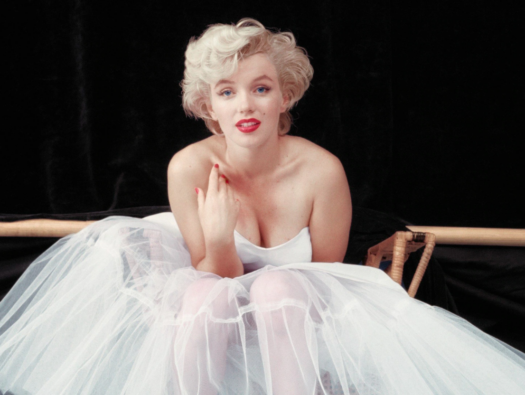

Marilyn Monroe’s Face Kept Changing — But the Camera Always Loved Her

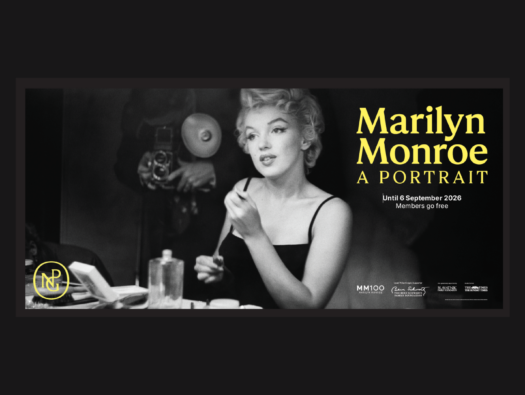
The National Portrait Gallery’s Marilyn Monroe: A Portrait, supported by the Blavatnik Family Foundation, examines the evolution and endurance of Monroe’s image across photography, film, and art. Organized around the photographers who shaped her public presence, the exhibition traces her transformation from Norma Jeane to one of the most recognizable figures of the 20th century. Works by Philippe Halsman, Eve Arnold, André de Dienes, Sam Shaw, Alfred Eisenstaedt, and others reveal how different collaborators captured Monroe’s vulnerability, intelligence, glamour, and self-awareness. The exhibition also considers Monroe’s own role in shaping her image, including her careful selection and editing of photographs. Later works by artists such as Andy Warhol, Pauline Boty, Marlene Dumas, and Peter Blake show how Monroe’s image continued to acquire meaning after her death.

This Joyful Marilyn Monroe Exhibition Will Melt Your Heart

The National Portrait Gallery’s Marilyn Monroe: A Portrait, supported by the Blavatnik Family Foundation, presents a vivid centenary reassessment of Monroe through the photographers and artists who shaped her public image. The exhibition foregrounds photography as a powerful means of understanding Monroe’s presence, from early images of Norma Jeane by André de Dienes to later portraits by Philippe Halsman, Eve Arnold, Cecil Beaton, Sam Shaw, and others. Rather than centering the familiar tragedy of Monroe’s final years, the show emphasizes her vitality, intelligence, and expressive range, including images that capture her playfulness, poise, and introspection. It also places celebrated photographs alongside paintings and works made after her death, inviting reflection on the difference between Monroe as a living collaborator and Monroe as a cultural symbol. Film excerpts and portraits together highlight the artistry and complexity behind one of the most enduring figures in modern visual culture. The Foundation’s support helps make this thoughtful exhibition accessible to broad audiences, encouraging renewed engagement with portraiture, cinema, and the construction of public identity.

How Ken Burns, David Schmidt and Sarah Botstein’s ‘The American Revolution’ Documentary Lends a Voice to the Underrepresented and Took 10 Years to Make

Ken Burns, Sarah Botstein, and David Schmidt’s six-part PBS documentary series The American Revolution, supported by the Blavatnik Family Foundation, reflects a decade of research, collaboration, and documentary craft. The series was created without the benefit of photography or newsreel footage, requiring the filmmakers to develop an impressionistic visual approach supported by reenactments, archival materials, and a large cast of voice actors. Drawing on the work of historians, writers, archivists, and more than 150 historical voices, the documentary seeks to move beyond familiar mythology and present the Revolution as a complex human story. Particular attention is given to the experiences of African Americans, Native Americans, women, and others whose roles have often been underrepresented in traditional accounts of the founding era. By restoring these perspectives to the broader narrative, the series invites audiences to consider the Revolution’s reach across millions of lives and its continuing relevance to questions of liberty, citizenship, and democracy.

New 42 Celebrates 35 Years of Expanding Arts Access at Annual Gala at the Plaza Hotel

New 42 marked its 35th anniversary at its annual gala, celebrating the organization’s work to expand access to the performing arts for young people and families. The event recognized André De Shields, Mary Rose Lloyd, and Sarah Long for their contributions to New 42’s artistic, educational, and community impact. Proceeds from the gala will support programs that introduce young audiences to live performance at the New Victory Theater, incubate new work at New 42 Studios, and create pathways into creative careers through mentorship and youth workforce development. The evening also highlighted major milestones for the organization, including the 30th anniversary of the New Victory Theater and the 25th anniversary of New 42 Studios. Each year, New 42 reaches thousands of New York City schoolchildren through performances, educational resources, partner schools, and youth employment programs. The Blavatnik Family Foundation was among the gala leadership supporting New 42’s continued commitment to arts access, creative learning, and the next generation of artists and audiences.

Was Churchill a Serious Artist? This Exhibition Says, ‘Yes.’

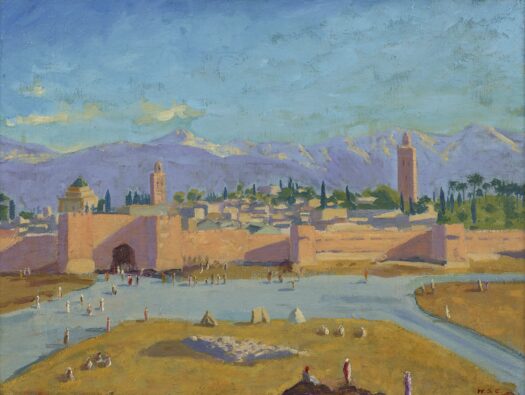
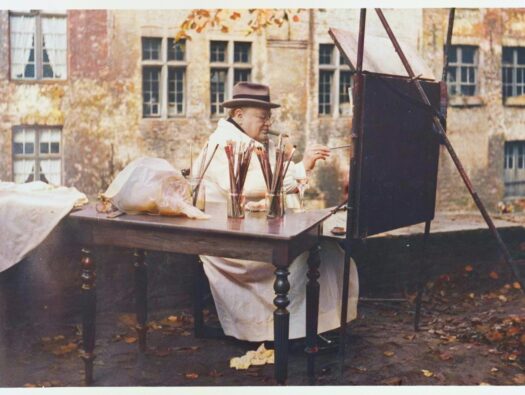
The Wallace Collection’s Winston Churchill: The Painter, supported by the Blavatnik Family Foundation, presents the first major British retrospective of Churchill’s paintings in more than 60 years. The exhibition considers Churchill’s work as a serious and sustained artistic practice, offering a more intimate view of a public figure often understood primarily through politics and wartime leadership. Beginning during a period of personal and political difficulty in World War I, painting became a lifelong source of focus, reflection, and relief for Churchill, who produced more than 500 canvases. The show brings together landscapes, still lifes, and scenes from Chartwell, the French Riviera, Palestine, and Morocco, including works that reveal his attention to color, light, and fleeting moments. It also explores how paintings could carry personal and diplomatic significance, including Tower of the Koutoubia Mosque, made during World War II and later given to President Franklin D. Roosevelt. By drawing on rarely seen works from private collections, the exhibition invites audiences to consider Churchill’s art as a meaningful record of temperament, resilience, and historical experience.

‘It was poignant, knowing that these were the last images she did’: The Intimate Final Photos of Marilyn Monroe

The National Portrait Gallery’s Marilyn Monroe: A Portrait, supported by the Blavatnik Family Foundation, marks the centenary of Monroe’s birth with a thoughtful examination of her image, artistry, and enduring cultural presence. The exhibition traces Monroe’s evolving public image through major photographic collaborations and works by artists including Eve Arnold, Cecil Beaton, Andy Warhol, Pauline Boty, and Richard Hamilton. Among its highlights are six images from George Barris’s 1962 Santa Monica beach shoot, the final portraits taken of Monroe during her lifetime. The exhibition considers how Monroe engaged actively with photographers and publicity, shaping her image with care at a time when she was navigating intense public scrutiny. By presenting familiar images alongside more intimate and complex material, the show invites audiences to look beyond myth and celebrity toward Monroe’s agency, vulnerability, and lasting influence on visual culture.

Daubs and Distractions

The Wallace Collection’s Winston Churchill: The Painter, supported by the Blavatnik Family Foundation, invites visitors to look beyond Churchill’s public image and consider the discipline, pleasure, and persistence behind his art. The exhibition presents painting as a serious and sustaining part of Churchill’s life, beginning after the political crisis of 1915 and continuing across decades of public service. Rather than treating the works as historical curiosities, the show follows Churchill’s engagement with color, composition, and place, from the gardens and pools of Chartwell to the coastlines and landscapes he returned to throughout his life. It also places his work within a broader artistic context, acknowledging the guidance and influence of professional painters while allowing audiences to judge the paintings on their own terms. In doing so, the exhibition offers a more intimate view of a figure often understood primarily through politics and wartime leadership. The Foundation’s support helps make this reflective cultural presentation accessible to a wide public, deepening understanding of how artistic practice can illuminate history, character, and resilience.

Tentacles, Pointy Teeth and the T-Rex of the Sea: the Natural History Museum on Beasts that Once Ruled the Oceans

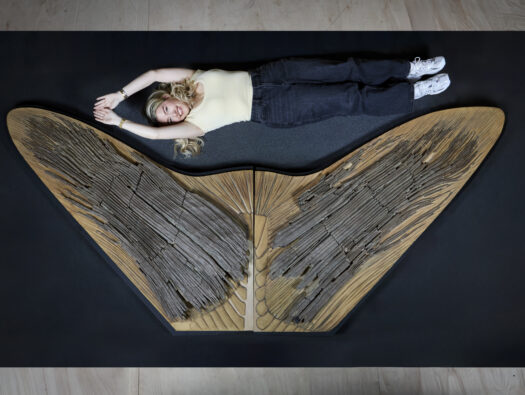
The Natural History Museum’s Jurassic Oceans: Monsters of the Deep, supported by the Blavatnik Family Foundation, invites audiences beneath the surface of the prehistoric seas that once covered much of the planet. Through fossils, casts, and immersive displays, the exhibition introduces the marine reptiles, ammonites, ancient sharks, and other species that shaped ocean ecosystems more than 66 million years ago. Highlights include a plesiosaur skeleton, ichthyosaur specimens, and the skull of a mosasaur, helping visitors understand how these animals lived, hunted, and adapted. The exhibition also connects deep time with the present, showing how past changes in climate and marine life can illuminate the pressures facing today’s oceans. By linking scientific discovery with public engagement, the show encourages visitors to consider both the richness of prehistoric marine worlds and the fragility of ocean ecosystems today. The Foundation’s support helps make this research-led exhibition accessible to broad audiences, advancing public understanding of natural history, evolution, and environmental change.

Admit It, Art Snobs: Winston Churchill Was a Surprisingly Decent Painter

The Wallace Collection’s exhibition Winston Churchill: The Painter, supported by the Blavatnik Family Foundation, offers a fresh reassessment of Churchill’s artistic practice. Although Churchill began painting only in midlife, following the Dardanelles campaign in 1915, he became deeply committed to the medium and produced more than 500 oil paintings over the course of his life. The exhibition brings together nearly 60 still lifes and landscapes, focusing on the subjects through which Churchill found creative focus and personal respite. Particular attention is given to his Moroccan landscapes, including his 1943 view of the Koutoubia Mosque in Marrakech, painted during the Second World War and later given to President Franklin D. Roosevelt. The show also highlights Churchill’s attention to light, landscape, and reflection, including recurring views of the grounds at Chartwell. The Foundation’s support helps bring this lesser-known dimension of Churchill’s life to wider public attention, inviting audiences to consider the relationship between art, history, leadership, and private creative practice.

Learn More

Discover the cutting-edge science we fund

Providing many of the world's best researchers, scientists, and universities with support, and funding to discover breakthroughs that solve humankind's greatest challenges.

See how we support great cultural institutions around the world

The Foundation contributes to renowned institutions that showcase the breadth of arts and culture, including performance, exhibition and education.

Visit the Blavatnik Archive

The Blavatnik Archive is a nonprofit foundation dedicated to preserving and disseminating materials that contribute to the study of 20th-century Jewish and world history, with a special emphasis on World War I, World War II, and Soviet Russia.

Blavatnik Family Foundation
Privacy Overview

This website uses cookies so that we can provide you with the best user experience possible. Cookie information is stored in your browser and performs functions such as recognising you when you return to our website and helping our team to understand which sections of the website you find most interesting and useful.

You can find more information by this link