Skip to content

arts

Brian Cox and UK’s Third-Richest Man Back Exiled Russian’s Edinburgh Fringe Crime Thriller

The Blavatnik Family Foundation is supporting DRONE, a new multimedia crime thriller appearing at the 2026 Edinburgh Festival Fringe. Written and directed by Dmitry Melkin and performed by Gladstone Mahib, the one-person production explores artificial intelligence, desire, betrayal, and the changing boundary between people and machines. The Foundation’s support is helping Melkin, who left Russia because of his opposition to the war in Ukraine, return to the Fringe for the first time since presenting the critically acclaimed The Forest in 2019. The production also reflects longstanding connections within the international theatre community. Mahib trained at the Moscow Art Theatre, where actor Brian Cox taught exchange students, and his son, Alan Cox, will make a guest appearance.

William Boyd Wins Give a Book: The Pleasure of Reading Prize 2026

Novelist William Boyd has been named the winner of the 2026 Give a Book: The Pleasure of Reading Prize, which is sponsored by Bloomsbury Publishing and supported by the Blavatnik Family Foundation. The annual prize recognizes an English-language author whose work brings pleasure to readers and celebrates the wider value of reading in public life. Boyd, the author of nineteen novels as well as short stories and screenplays, was selected by a panel of judges that included guest judge Esther Freud. The prize includes £10,000, shared between the winning author and a charitable Give a Book project chosen by the recipient, often supporting reading in prisons, schools, or other community settings. By linking literary recognition with direct support for reading access, the prize reflects Give a Book’s mission to use books to teach, inspire, and change lives. The Foundation’s support helps advance the role of literature in widening opportunity, strengthening imagination, and fostering a lifelong love of reading.

Justin Peck World Premiere and More Set for New York City Ballet Fall Fashion Gala

New York City Ballet’s 2026 Fall Fashion Gala will take place on October 1, continuing the Company’s annual celebration of new choreography and costume design. The program will feature world premieres by Jennifer Archibald, Alysa Pires, and NYCB Resident Choreographer Justin Peck, pairing leading choreographers with designers Robert Wun, Viktor&Rolf, and Simone Rocha. Since its founding in 2012, the Fall Fashion Gala has raised more than $37 million for New York City Ballet, supporting the Company’s artistic work and future programming. The 2026 event will be chaired by a distinguished group including Founding Chair Sarah Jessica Parker, Visionary Chair Emily Blavatnik, and Event Chairs including Laila Blavatnik, Georgina Bloomberg, Andy Cohen, Claire Danes and Hugh Dancy, and others. Justin Peck’s world premiere, with costumes by Simone Rocha, is made possible by Emily Blavatnik and the Blavatnik Family Foundation.

‘The Last Musician of Auschwitz’ wins the Arts & Culture Documentary Category at Banff 2026 Rockies Awards

The Last Musician of Auschwitz has won the Documentary & Factual: Arts & Culture category at the 2026 Banff Rockie Awards, which recognize excellence in international screen and audio content. Backed by Access Entertainment and co-executive produced by Danny Cohen and Emily Blavatnik, the film examines the role of music in Auschwitz and the lives of those who performed, composed, and preserved it under unimaginable conditions. The recognition highlights the documentary’s contribution to cultural memory, historical understanding, and the responsible telling of Holocaust history. Produced with partners including Two Rivers Media, BBC, Access Entertainment, and Sphere Abacus, the film brings a deeply researched and human-centered story to broad international audiences.

Marilyn Monroe’s Face Kept Changing — But the Camera Always Loved Her

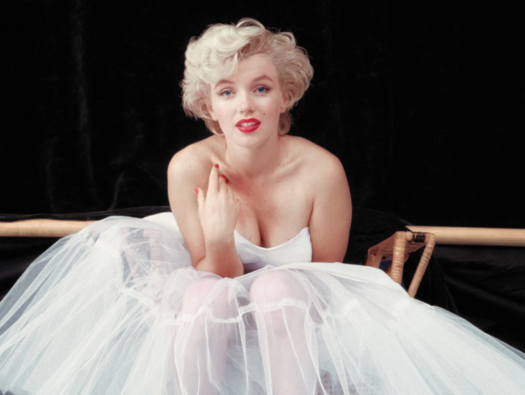
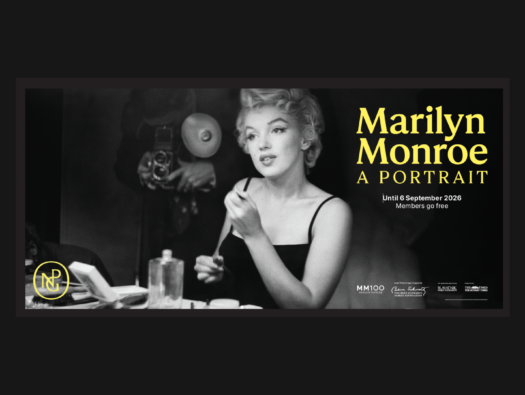
The National Portrait Gallery’s Marilyn Monroe: A Portrait, supported by the Blavatnik Family Foundation, examines the evolution and endurance of Monroe’s image across photography, film, and art. Organized around the photographers who shaped her public presence, the exhibition traces her transformation from Norma Jeane to one of the most recognizable figures of the 20th century. Works by Philippe Halsman, Eve Arnold, André de Dienes, Sam Shaw, Alfred Eisenstaedt, and others reveal how different collaborators captured Monroe’s vulnerability, intelligence, glamour, and self-awareness. The exhibition also considers Monroe’s own role in shaping her image, including her careful selection and editing of photographs. Later works by artists such as Andy Warhol, Pauline Boty, Marlene Dumas, and Peter Blake show how Monroe’s image continued to acquire meaning after her death.

This Joyful Marilyn Monroe Exhibition Will Melt Your Heart

The National Portrait Gallery’s Marilyn Monroe: A Portrait, supported by the Blavatnik Family Foundation, presents a vivid centenary reassessment of Monroe through the photographers and artists who shaped her public image. The exhibition foregrounds photography as a powerful means of understanding Monroe’s presence, from early images of Norma Jeane by André de Dienes to later portraits by Philippe Halsman, Eve Arnold, Cecil Beaton, Sam Shaw, and others. Rather than centering the familiar tragedy of Monroe’s final years, the show emphasizes her vitality, intelligence, and expressive range, including images that capture her playfulness, poise, and introspection. It also places celebrated photographs alongside paintings and works made after her death, inviting reflection on the difference between Monroe as a living collaborator and Monroe as a cultural symbol. Film excerpts and portraits together highlight the artistry and complexity behind one of the most enduring figures in modern visual culture. The Foundation’s support helps make this thoughtful exhibition accessible to broad audiences, encouraging renewed engagement with portraiture, cinema, and the construction of public identity.

How Ken Burns, David Schmidt and Sarah Botstein’s ‘The American Revolution’ Documentary Lends a Voice to the Underrepresented and Took 10 Years to Make

Ken Burns, Sarah Botstein, and David Schmidt’s six-part PBS documentary series The American Revolution, supported by the Blavatnik Family Foundation, reflects a decade of research, collaboration, and documentary craft. The series was created without the benefit of photography or newsreel footage, requiring the filmmakers to develop an impressionistic visual approach supported by reenactments, archival materials, and a large cast of voice actors. Drawing on the work of historians, writers, archivists, and more than 150 historical voices, the documentary seeks to move beyond familiar mythology and present the Revolution as a complex human story. Particular attention is given to the experiences of African Americans, Native Americans, women, and others whose roles have often been underrepresented in traditional accounts of the founding era. By restoring these perspectives to the broader narrative, the series invites audiences to consider the Revolution’s reach across millions of lives and its continuing relevance to questions of liberty, citizenship, and democracy.

New 42 Celebrates 35 Years of Expanding Arts Access at Annual Gala at the Plaza Hotel

New 42 marked its 35th anniversary at its annual gala, celebrating the organization’s work to expand access to the performing arts for young people and families. The event recognized André De Shields, Mary Rose Lloyd, and Sarah Long for their contributions to New 42’s artistic, educational, and community impact. Proceeds from the gala will support programs that introduce young audiences to live performance at the New Victory Theater, incubate new work at New 42 Studios, and create pathways into creative careers through mentorship and youth workforce development. The evening also highlighted major milestones for the organization, including the 30th anniversary of the New Victory Theater and the 25th anniversary of New 42 Studios. Each year, New 42 reaches thousands of New York City schoolchildren through performances, educational resources, partner schools, and youth employment programs. The Blavatnik Family Foundation was among the gala leadership supporting New 42’s continued commitment to arts access, creative learning, and the next generation of artists and audiences.

Was Churchill a Serious Artist? This Exhibition Says, ‘Yes.’

The Wallace Collection’s Winston Churchill: The Painter, supported by the Blavatnik Family Foundation, presents the first major British retrospective of Churchill’s paintings in more than 60 years. The exhibition considers Churchill’s work as a serious and sustained artistic practice, offering a more intimate view of a public figure often understood primarily through politics and wartime leadership. Beginning during a period of personal and political difficulty in World War I, painting became a lifelong source of focus, reflection, and relief for Churchill, who produced more than 500 canvases. The show brings together landscapes, still lifes, and scenes from Chartwell, the French Riviera, Palestine, and Morocco, including works that reveal his attention to color, light, and fleeting moments. It also explores how paintings could carry personal and diplomatic significance, including Tower of the Koutoubia Mosque, made during World War II and later given to President Franklin D. Roosevelt. By drawing on rarely seen works from private collections, the exhibition invites audiences to consider Churchill’s art as a meaningful record of temperament, resilience, and historical experience.

‘It was poignant, knowing that these were the last images she did’: The Intimate Final Photos of Marilyn Monroe

The National Portrait Gallery’s Marilyn Monroe: A Portrait, supported by the Blavatnik Family Foundation, marks the centenary of Monroe’s birth with a thoughtful examination of her image, artistry, and enduring cultural presence. The exhibition traces Monroe’s evolving public image through major photographic collaborations and works by artists including Eve Arnold, Cecil Beaton, Andy Warhol, Pauline Boty, and Richard Hamilton. Among its highlights are six images from George Barris’s 1962 Santa Monica beach shoot, the final portraits taken of Monroe during her lifetime. The exhibition considers how Monroe engaged actively with photographers and publicity, shaping her image with care at a time when she was navigating intense public scrutiny. By presenting familiar images alongside more intimate and complex material, the show invites audiences to look beyond myth and celebrity toward Monroe’s agency, vulnerability, and lasting influence on visual culture.

Learn More

Discover the cutting-edge science we fund

Providing many of the world's best researchers, scientists, and universities with support, and funding to discover breakthroughs that solve humankind's greatest challenges.

See how we support great cultural institutions around the world

The Foundation contributes to renowned institutions that showcase the breadth of arts and culture, including performance, exhibition and education.

Visit the Blavatnik Archive

The Blavatnik Archive is a nonprofit foundation dedicated to preserving and disseminating materials that contribute to the study of 20th-century Jewish and world history, with a special emphasis on World War I, World War II, and Soviet Russia.

Blavatnik Family Foundation
Privacy Overview

This website uses cookies so that we can provide you with the best user experience possible. Cookie information is stored in your browser and performs functions such as recognising you when you return to our website and helping our team to understand which sections of the website you find most interesting and useful.

You can find more information by this link